Vetting fully automatic strapping machine manufacturers comes down to three non-negotiable checks. First, closed-loop electronic tension control — not a fixed mechanical dial — calibrated specifically to avoid crushing corrugated flute structure. Second, a bonding method proven to hold under transit vibration, not just a bench-test seal.
Third, line-speed synchronization with your upstream folder gluer, since a strapper that can’t match your fastest converting line becomes the bottleneck it was bought to eliminate. A supplier failing any one of these will either damage cartons at the strap zone, produce loose bundles that fail at the dock, or throttle a line that was engineered to run faster.
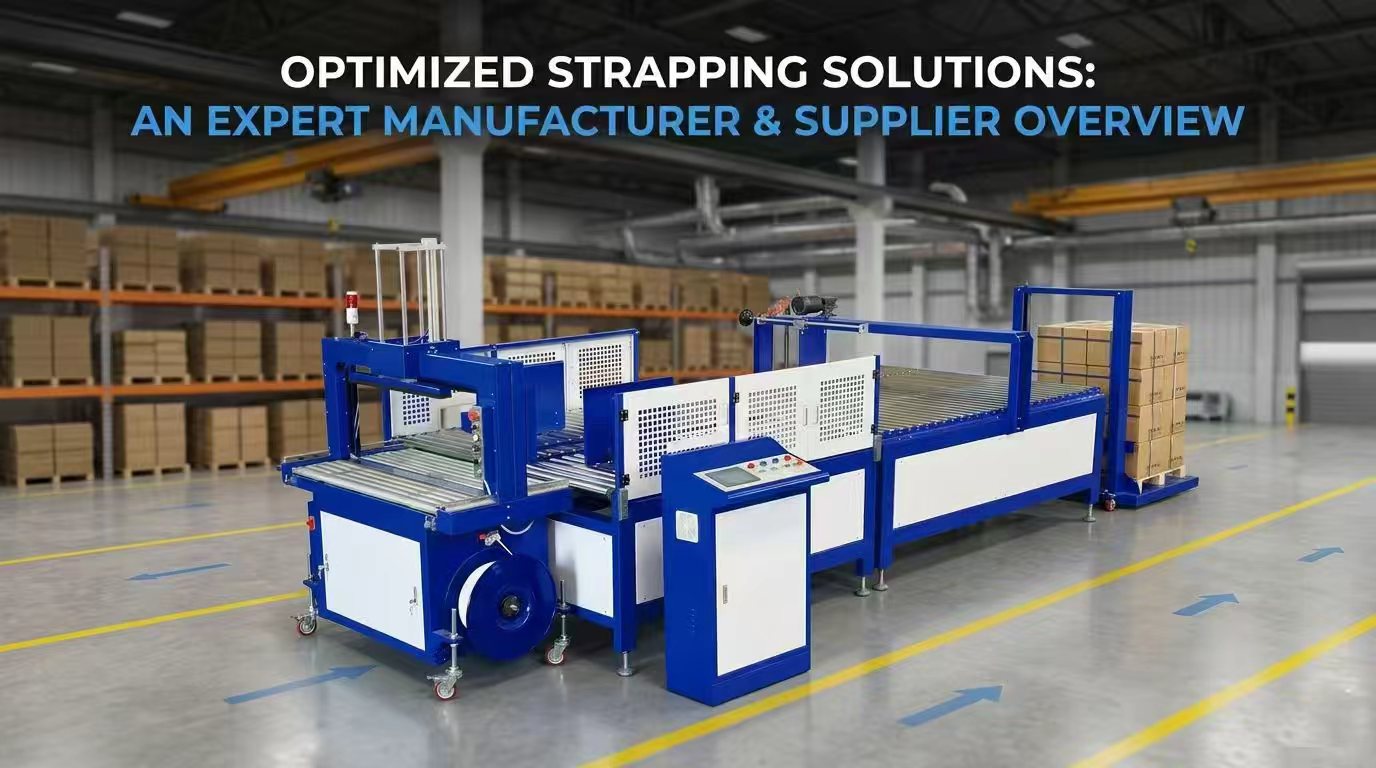
A fully automatic strapping machine is the critical final stage in high-speed packaging lines, ensuring load stability for corrugated bundles and pallets. Leading manufacturers and suppliers in today, such as Guangzhou Smart Machinery, offer inline solutions featuring brushless DC motors and electronic tension control. These systems provide a strapping speed of up to 50–65 bundles per minute, supporting both PP and PET strapping. Modern units are engineered with automatic strap re-feeding technology and Industry 4.0 interfaces to ensure zero-downtime in 24/7 industrial environments.
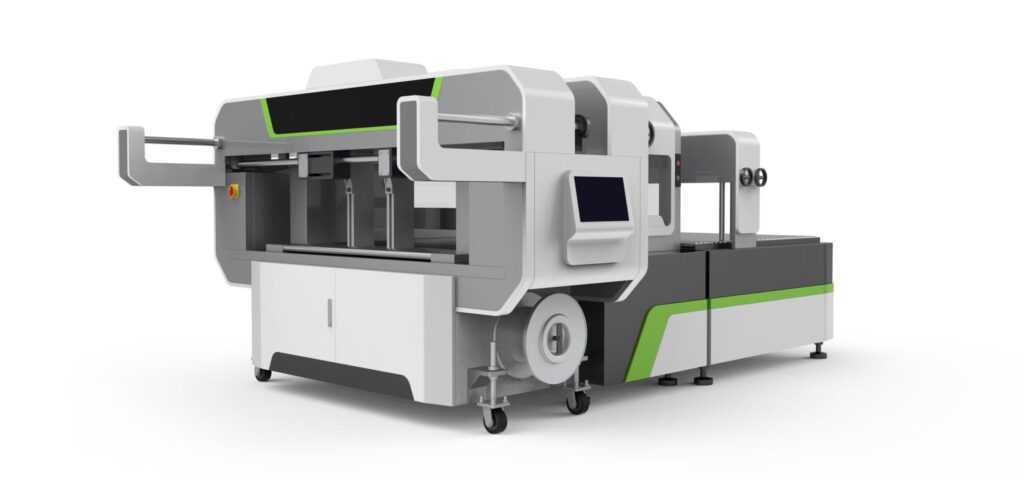
https://gzsmartmachinery.com/product/fully-automatic-strapping-machine/
Engineering Benchmark: Strapping Supplier Tier Comparison
| Engineering Criterion | Manual / Pneumatic Strapper | Standard Semi-Automatic Bundler | Guangzhou Smart Machinery (Carton-Dedicated, Fully Automatic) |
|---|---|---|---|
| Feed & Positioning | Operator loads and centers each stack by hand | Conveyor-fed, operator confirms each cycle | In-line fed, synchronized to upstream folder-gluer output |
| Tension Control | Fixed mechanical tension, no adjustment | Manual dial, reset between SKUs | Closed-loop electronic tension, calibrated to flute-crush threshold |
| Sealing / Bond Method | Manual buckle or friction weld | Basic heat-seal head | Bottom hot-melt bonding with auto strap ejector |
| Strap Compatibility | PP only, single fixed width | PP, 9–12 mm (0.35–0.47 in) | PP/PET, selectable 5–12 mm (0.2–0.47 in), incl. eco 5 mm option |
| Line-Speed Sync | Standalone, operator-paced | Up to roughly 15–20 packs/min manual load | Synchronized up to 180 m/min (590 FPM) folder-gluer output |
| Safety & Compliance | Basic guarding only | E-stop, no formal documentation | Full safety guarding, E-stop, CE/OSHA-ready documentation |
| Maintenance Access | Full teardown for dust clearing | Partial panel access | Open-frame design for rapid paper-dust clearing |
Filtering a Carton-Dedicated Supplier from a Generic Strapping OEM
Most fully automatic strapping machine manufacturers sell one design across pallets, lumber bundles, and printed cartons alike. That approach works for rigid loads; it fails on corrugated board, where excess tension crushes the flute and loose tension produces a bundle that shifts in transit. A carton-dedicated build is judged on contact surfaces and tension logic, not top speed alone.
Guangzhou Smart Machinery’s strapping line was engineered specifically around this gap. Contact rollers and guides are shaped to move cardboard blanks without abrading the surface print or catching on box flaps, and the tension system is calibrated against corrugated flute resistance rather than a generic pallet-load curve. That distinction is the entire reason a “strapping machine” and a “carton strapping machine” are not interchangeable purchases.
Tension Control and Edge Protection: Where Bundles Actually Fail
Edge damage rarely shows up on the factory floor — it shows up as crushed corners after a truck ride, once vibration has worked a slightly over-tensioned strap deeper into the flute. Intelligent tension control monitors resistance in real time and holds the strap at the minimum force needed to keep the stack rigid, rather than applying a flat preset tension regardless of stack composition.
That same control loop is what lets one machine run mixed cartons — small retail packs one shift, oversized appliance cartons the next — without a manual tension reset between runs. Procurement teams should ask suppliers to demonstrate tension behavior on their own board weight and flute profile, not accept a demo run on a supplier’s house sample stock.
Sealing Integrity and Wear Components: The Parts That Decide Machine Lifespan
Sealing method is the second point where bundles fail after the sale. Bottom hot-melt bonding, paired with an automatic strap ejector to clear jammed loops, produces a consistent bond line shift after shift, whereas a basic friction-weld head degrades unevenly once dust accumulates on the weld surface. Tungsten-carbide-edged cutter blades hold a clean shear on PP and PET strap stock far longer than untreated steel, which matters directly on changeover time — a dull blade drags and tears rather than cutting cleanly, and a torn strap end jams the next feed cycle.
High-tensile, tensile-rated PP/PET strap stock and electronically metered heat-seal heads are the remaining wear-relevant components worth specifying in writing before signing, since seal-head temperature drift is a common, quiet cause of bond failures that only surface after the carton has left the plant. Request a Factory FAT (Factory Acceptance Test) Protocol Sheet documenting cutter-blade grade, seal-head temperature tolerance, and run-in hours before committing to a purchase order — a supplier hesitant to share this data is telling you something about the rest of the spec sheet too.
Line-Speed Synchronization: Why the Strapper Is Usually the Bottleneck
A strapping machine rated slower than the folder gluer feeding it does not save labor — it just relocates the bottleneck three meters downstream. Guangzhou Smart Machinery builds its carton strapping range to synchronize with folder-gluer output up to 180 m/min (590 FPM), matching the same throughput standard used across its folding and gluing lines rather than a strapper spec developed in isolation.
Within that range, table-mounted models scale from roughly 380 kg to 500 kg (838–1,102 lbs) net weight depending on working width, from 1,210 mm to 1,810 mm (47.6–71.3 in), with a typical bundle load-bearing capacity around 80 kg (176 lbs) per cycle. Confirm the exact model width against your widest carton dimension before ordering — an undersized arch is a common, avoidable reason a strapper ends up running below its rated speed.
The Total Cost of Ownership Equation: Strap Material, Labor, and Downtime
Strap consumption is the recurring cost most TCO models underweight. A 5 mm (0.2 in) strap option, run on the same tension and sealing architecture as standard 9–12 mm stock, cuts consumable material use by roughly 20–30% per bundle without sacrificing break-strength on properly tensioned cartons — a saving that compounds over the life of the machine far more than the sticker price difference between models.
Labor is the second lever. Consolidating feeding, tensioning, sealing, and strap ejection into one synchronized pass removes the manual centering and re-tension steps a semi-automatic bundler still requires between stacks, freeing that operator for the folder-gluer or palletizing station instead. Model strap consumption and labor savings against your current bundling headcount before committing capital.
Downtime is the lever most often priced incorrectly. Jam-clearing technology and an auto-looping system reduce unplanned stops from tangled or mis-fed strap, and an open-frame design that allows quick clearing of paper dust prevents the sensor drift that otherwise causes intermittent tension faults on humid or dust-heavy shifts.
Configuring the Machine for Your Grid, Climate, and Box Mix
Electrical configuration should match your plant, not the other way around — confirm single-phase or three-phase supply and local frequency (50 Hz or 60 Hz) against the model’s rated power draw before signing, since a mismatched supply is a common and entirely avoidable commissioning delay.
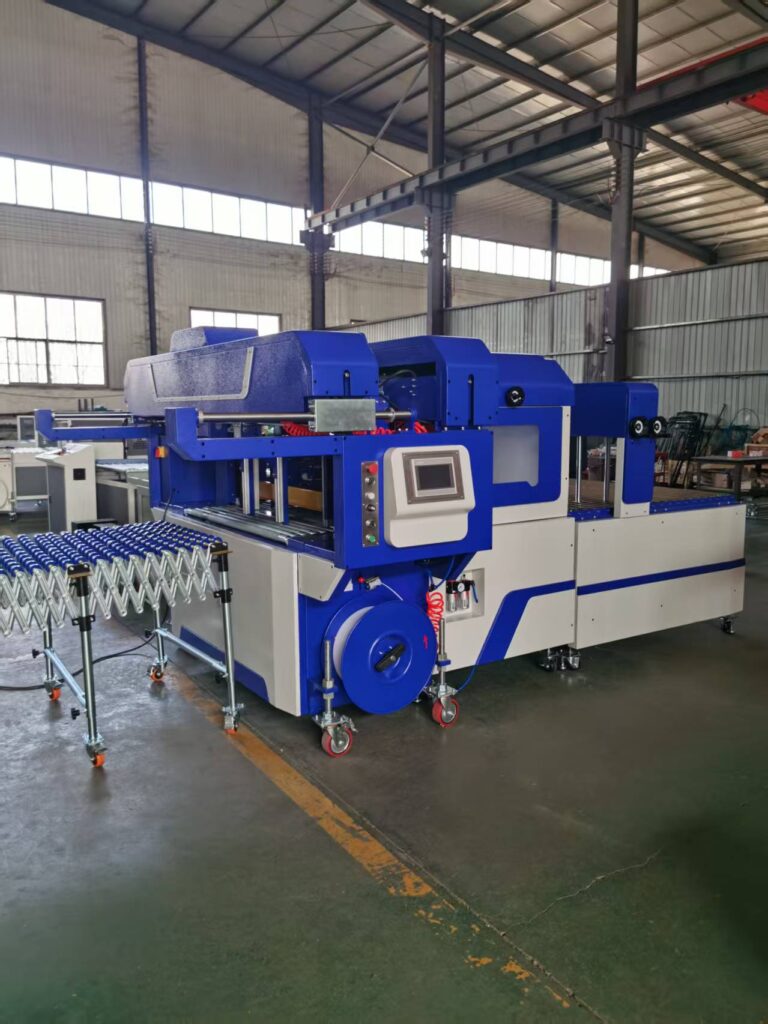
Humid or dust-heavy environments benefit from the same open-access maintenance design used across GZS’s strapping range, since paper dust accumulation on the tension sensor is the leading cause of gradual accuracy drift in coastal or high-humidity plants. Box-style versatility is the final configuration question: a properly specified fully automatic strapping machine manufacturers build should handle small retail cartons and oversized appliance or e-commerce shipping cases from the same production line without a change of tooling.
Vetting a Carton-Dedicated Supplier: The Non-Negotiable Checklist
Return to the three checks that opened this audit — tension control precision, verified sealing integrity, and confirmed line-speed synchronization — and demand documentation for each rather than marketing language alone.
A practical due-diligence checklist before you sign:
- Request tension-control test data on your own board weight and flute profile, not a house sample
- Confirm cutter-blade grade and seal-head temperature tolerance in writing
- Verify strap width range (5–12 mm / 0.2–0.47 in) matches your current and planned packaging mix
- Ask for the machine’s synchronized line speed against your actual folder-gluer output, not a standalone rating
- Confirm voltage, phase, and frequency configuration matches your site before ordering
Frequently Asked Questions
Q: How is a “carton strapping machine” different from a general industrial strapping machine? A: A carton-dedicated build uses contact rollers, guides, and tension logic calibrated against corrugated flute resistance, so it secures the bundle without crushing the board edge. A general industrial strapper is tuned for rigid loads like pallets or lumber and will over-tension corrugated stock unless manually adjusted for every run.
Q: Can this machine run both standard 9–12 mm and thinner 5 mm strap without changing equipment? A: Yes. The tension and sealing architecture is built to run both widths on the same machine, so switching to the thinner eco strap for material savings is a settings change rather than a hardware swap.
Q: What actually determines whether the strapper keeps pace with our folder gluer? A: Line-speed synchronization, not the strapper’s standalone top speed rating. Confirm the supplier tests synchronization against your specific upstream output — up to 180 m/min (590 FPM) on GZS’s carton line — rather than quoting a bench-test figure achieved with an idle infeed.
Q: What should we request before signing a purchase order? A: A Factory FAT (Factory Acceptance Test) Protocol Sheet documenting tension-control test results on your board weight, cutter-blade and seal-head specifications, and the voltage/frequency configuration built for your site.
Ready to Specify Your Next Bundling Line?
Brochure specifications are a starting point, not a purchase decision. Request a Factory FAT Protocol Sheet documenting tension-control data, wear-component grade, and synchronized line speed before you commit capital.
For plants ready to move on pricing and lead times, inquire for Direct-Factory Wholesale B2B Pricing & Lead Times and speak directly with Guangzhou Smart Machinery’s engineering team about your box mix, strap material preference, and site voltage.